
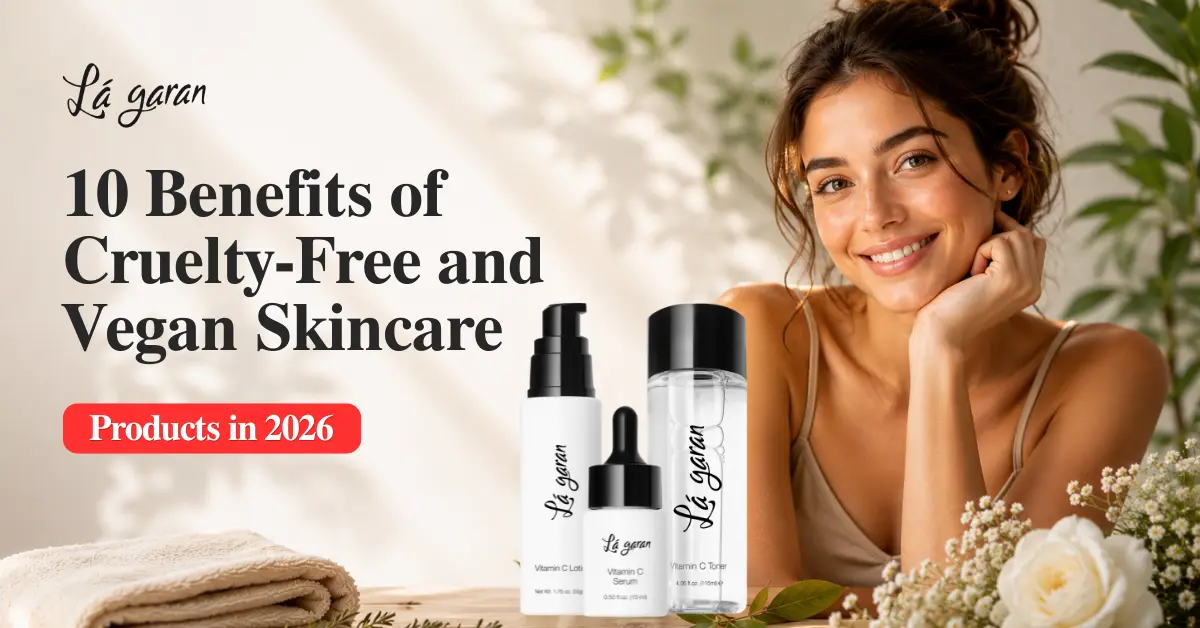
If you’ve scrolled through your skincare shelf lately, chances are you’ve spotted the words “cruelty-free” or “vegan” on at least one label. This isn’t a passing trend. Heading into 2026, more shoppers than ever are choosing cruelty-free and vegan skincare products, and it’s not just about ethics. It’s about what these formulas actually do for your skin. From gentler ingredients to a smaller environmental footprint, the reasons to switch go far beyond the label. Here are ten real benefits worth knowing before your next purchase.
The most obvious benefit of cruelty-free and vegan skincare products is exactly what the name promises: nothing was tested on animals, and nothing in the formula came from them either. Cruelty-free means the finished product and its ingredients weren’t tested on animals. Vegan goes a step further by excluding animal-derived ingredients altogether, things like lanolin, collagen, beeswax, or carmine. Brands that carry certifications such as Leaping Bunny have gone through third-party verification, so you’re not just taking a marketing claim at face value. For many people, this combination of standards is the deciding factor when comparing two otherwise similar products.
Vegan skincare benefits don’t stop at ethics. Many vegan formulas skip ingredients known to trigger irritation in sensitive skin, including certain animal-derived proteins and heavily processed additives. Plant-based oils, botanical extracts, and simplified ingredient lists tend to be easier on the skin barrier. That doesn’t mean every vegan product is automatically hypoallergenic, but the overall formulation philosophy, fewer fillers and more recognizable ingredients, often results in less redness, fewer breakouts, and a calmer complexion over time, especially for people who react to fragrance-heavy or synthetic-laden products.
Cruelty-free beauty products built on vegan principles lean heavily on plant-based ingredients like aloe vera, green tea, jojoba oil, and hyaluronic acid derived from fermentation rather than animal sources. These ingredients are rich in antioxidants, vitamins, and fatty acids that support hydration and skin repair. Vitamin C is a standout example: a powerful, plant-derived antioxidant that helps brighten the complexion and defend against environmental stress, without ever touching an animal-derived source. A formula like the Vegan Vitamin C Serum shows how effective this kind of plant science can be, delivering brightening benefits in a fully vegan base. Because formulators can’t rely on animal-derived shortcuts like collagen or squalane from shark liver, they often turn to more advanced plant science, things like phytoceramides or algae extracts, to achieve the same hydrating or firming effect, sometimes with added nutritional benefits for the skin.
If you’re deciding between the two most popular vegan actives, our guide on peptides vs. vitamin C breaks down which one your skin actually needs.
Sustainable skincare and veganism tend to go hand in hand. Producing animal-derived ingredients at scale requires significant land, water, and resources, while plant-based alternatives generally carry a smaller environmental footprint. Many cruelty-free and vegan skincare products are also produced by brands that prioritize eco-friendly packaging, biodegradable ingredients, and reduced waste throughout their supply chain. If you’re trying to shrink your environmental impact without overhauling your entire lifestyle, swapping your skincare routine for vegan alternatives is a manageable, meaningful place to start.
A lot of vegan skincare lines double down on “clean” formulation, meaning they also tend to avoid parabens, sulfates, and synthetic dyes. While vegan and “clean” aren’t the same thing, the two labels frequently overlap in practice. Brands marketing themselves as vegan often market themselves as clean beauty brands too, appealing to the same audience that’s reading ingredient lists carefully. The result is products that skip a lot of the synthetic chemicals linked to skin sensitivity and long-term irritation, giving your skin a break from ingredients it may not need in the first place.
Choosing cruelty-free and vegan skincare products is, in a very direct way, a vote for the kind of industry you want to support. Smaller, ethics-driven brands often pour resources into sourcing responsibly, paying fair wages, and maintaining transparent supply chains, since these values are central to their identity rather than an afterthought. Supporting these companies helps shift industry standards over time, encouraging even larger, mainstream beauty brands to rethink their own animal testing and sourcing policies to stay competitive in a market that increasingly expects ethical consumerism.
Brands that commit to cruelty-free and vegan formulations tend to be more upfront about what’s actually in the bottle. Because they’re already making a point of excluding animal-derived ingredients and animal testing, many go further by listing full ingredient breakdowns, sourcing information, and even percentages of active ingredients. This transparency makes it easier for you to research natural skincare ingredients, avoid known allergens, and make informed choices, rather than guessing what’s hiding behind a vague “fragrance” or “proprietary blend” listed at the bottom of a label.
Because vegan skincare routines typically rely on simpler, plant-derived formulas, they’re often well tolerated across a broader range of skin types, from oily to dry to combination. Ingredients like vegan glycerin, plant ceramides, and botanical antioxidants tend to play well with most skin barriers without the heaviness some animal-derived ingredients, like lanolin, can bring. That doesn’t mean every product suits every person, but the formulation approach generally results in fewer compatibility issues across different skin concerns, making it easier to build a routine that actually fits your skin.
Clean beauty in 2026 isn’t just a buzzword; it reflects a genuine shift in consumer expectations around safety, sourcing, and transparency. Cruelty-free and vegan skincare sits naturally within this movement because both prioritize ingredient integrity and ethical sourcing. As more research highlights the impact of certain synthetic chemicals on long-term skin and environmental health, vegan formulations are increasingly seen as a forward-thinking choice rather than a niche preference. Choosing these products now means staying ahead of where the broader beauty industry is heading.
Beyond the immediate effects, consistently using cruelty-free and vegan skincare products can support skin barrier health over time. Formulas built around plant-based ingredients and free from certain harsh synthetics tend to be less likely to disrupt your skin’s natural moisture balance with repeated use. Peptides are a good example of an ingredient category that’s gone fully vegan-friendly in recent years; products like the Peptide Face Cream and Peptide Lotion use peptides to support the skin’s natural firmness and resilience without relying on any animal-derived collagen. Over months and years, this can translate to improved texture, more even tone, and fewer flare-ups for people prone to sensitivity. It’s less about a dramatic overnight transformation and more about giving your skin consistently gentler inputs, which adds up.
For many people, vegan skincare is one piece of a larger lifestyle shift toward reducing animal product use and supporting more sustainable, ethical choices overall. Once you start reading labels for your skincare, it often carries over into how you shop for other products too, from makeup to household goods. Cruelty-free and vegan skincare products make it simple to extend personal values into your daily routine without requiring drastic changes, offering an accessible entry point into more conscious consumer habits.
Ready to put these benefits into practice? Browse La Garan’s full vegan and cruelty-free skincare line to find the right formulas for your routine.
Not necessarily. Vegan means the product contains no animal-derived ingredients, but it doesn’t automatically guarantee the product or its ingredients weren’t tested on animals at some stage. Look for both labels, ideally backed by certifications like Leaping Bunny or PETA’s cruelty-free list, to confirm a product meets both standards.
Yes, in most cases. Plant-based ingredients have advanced significantly, and many vegan alternatives, like fermented hyaluronic acid or plant-derived squalane, perform comparably to their animal-derived counterparts. Effectiveness depends more on formulation quality than on whether ingredients are vegan.
Check for third-party certifications rather than relying on marketing language alone. Leaping Bunny, PETA’s Beauty Without Bunnies program, and Choose Cruelty-Free are commonly recognized verification sources that audit brands before granting certification.
Pricing varies widely and depends more on brand positioning than on whether a product is vegan. There are budget-friendly cruelty-free lines alongside premium ones, so cost isn’t a reliable indicator of formulation philosophy either way.
Common animal-derived ingredients to watch for include lanolin, beeswax, carmine, collagen, keratin, squalene (from shark liver, not to be confused with plant-derived squalane), and certain types of glycerin sourced from animal fat.